Best Clay for Pottery Beginners
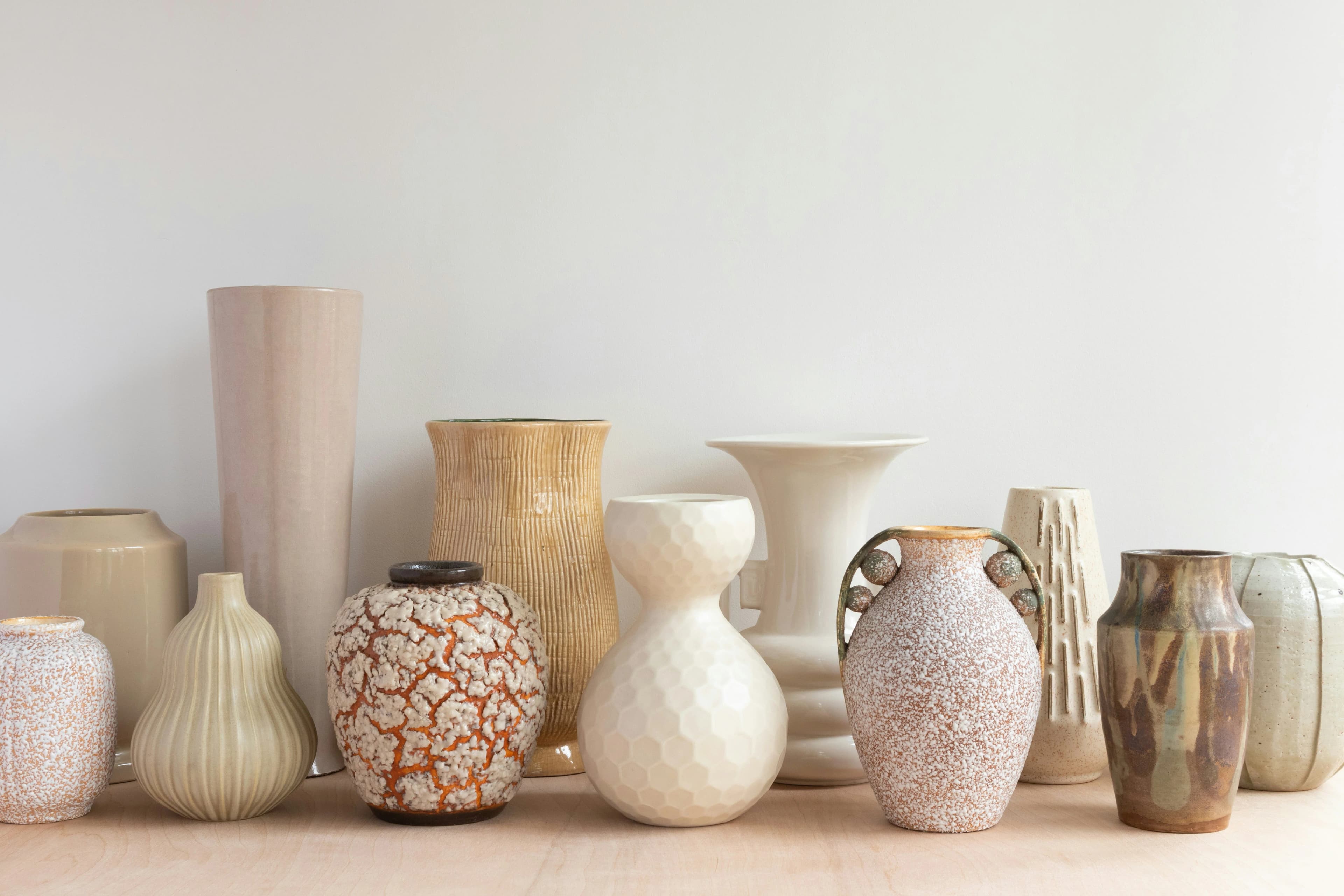
Choosing the right clay is one of the first and most important decisions you'll make as a pottery beginner. The type of clay you use affects everything from how easy it is to work with to how your finished pieces will look and function.
Understanding clay bodies
Clay bodies are mixtures of different clay types and additite materials, each designed for specific purposes. The three main categories are earthenware, stoneware, and porcelain.
Earthenware clay
Earthenware is the most beginner-friendly clay type and has been used for thousands of years.
Characteristics:
- Fires at low temperatures (1000-1150°C / 1832-2102°F)
- Naturally warm colors: red, orange, brown, buff
- Porous after firing (requires glazing for food safety)
- Very forgiving and easy to work with
Best for:
- Hand-building projects
- Decorative pieces
- Learning basic techniques
- Budget-conscious beginners
Popular earthenware clays:
- Terracotta (classic red clay)
- Red earthenware
- Buff earthenware
Stoneware clay
Stoneware is the most versatile clay and a favorite among potters of all levels.
Characteristics:
- Fires at mid to high temperatures (1200-1300°C / 2192-2372°F)
- Colors range from buff to gray to brown
- Vitrifies (becomes non-porous) when fired properly
- Durable and functional for everyday use
Best for:
- Functional pottery (mugs, bowls, plates)
- Wheel throwing and hand-building
- Food-safe pieces
- Long-lasting artwork
Popular stoneware clays:
- Buff stoneware
- Speckled stoneware
- Gray stoneware
Porcelain clay
Porcelain is the most challenging but also the most refined clay type.
Characteristics:
- Fires at high temperatures (1260-1400°C / 2300-2552°F)
- Pure white color when fired
- Translucent when thin
- Very smooth and fine texture
Best for:
- Experienced potters
- Delicate, refined pieces
- Translucent work
- High-end functional ware
"Start with stoneware or earthenware. Once you're comfortable with the basics, porcelain will reward your patience with stunning results." - Experienced pottery instructor
Factors to consider when choosing clay
Your firing equipment
Before buying clay, know your kiln's capabilities:
| Kiln type | Max temperature | Suitable clays |
|---|---|---|
| Low-fire | Up to 1100°C | Earthenware |
| Mid-fire | Up to 1220°C | Stoneware, some earthenware |
| High-fire | Up to 1300°C+ | Stoneware, porcelain |
Your technique preferences
- Wheel throwing: Choose smooth, plastic clays with good workability
- Hand-building: Look for clays with grog (sand-like particles) for strength
- Sculpting: Select clays that hold detail and dry evenly
Your project goals
Think about what you want to create:
- Functional tableware: Stoneware is food-safe and durable
- Decorative pieces: Earthenware offers rich colors
- Delicate art pieces: Porcelain provides elegance
- Outdoor planters: Stoneware withstands weather
Clay preparation tips
Wedging
Always wedge your clay before use to:
- Remove air bubbles
- Create consistent moisture
- Align clay particles
Storage
Keep unused clay moist and workable:
- Store in airtight containers
- Wrap in plastic
- Add damp cloths if clay dries out
Reclaiming
Don't throw away dry clay scraps:
- Collect dry pieces in a bucket
- Add water and let soak
- Mix to smooth consistency
- Wedge thoroughly before use
Recommended clays for beginners
Based on ease of use and versatility, here are our top recommendations:
- Buff stoneware - Excellent all-around choice
- Red earthenware - Forgiving and affordable
- White stoneware - Good for learning glazing
- Speckled stoneware - Adds visual interest easily
Working with clay in your studio
Understanding clay is just the beginning of your pottery journey. As you develop your skills and build your student base, having a system to track different clay preferences, firing schedules, and student progress becomes invaluable for running a successful studio. Many pottery teachers use Ceramik to manage their classes, keep notes on each student's preferred clay types, and organize their firing schedules, all in one place.
Manage your pottery studio
Ceramik is the app for teachers and studios to organize classes, students, and creative journeys.