Mental Health Benefits of Pottery
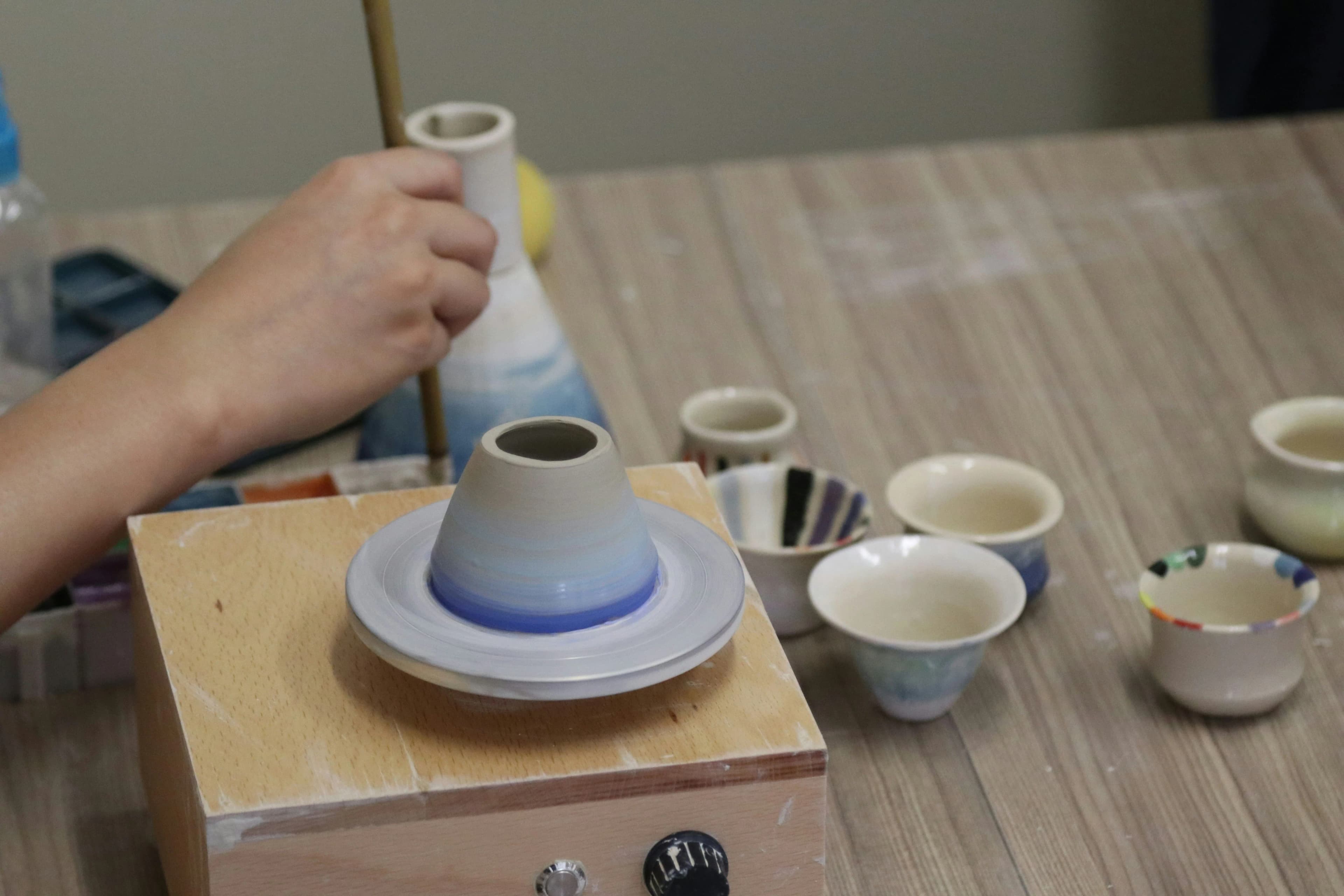
In our fast-paced digital world, more people are turning to pottery as a way to disconnect, de-stress, and find inner calm. But the benefits of working with clay go far beyond relaxation. Research shows that pottery can have profound effects on mental health and emotional well-being.
The science behind clay therapy
Mindfulness in motion
Working with clay demands your full attention. You can't check your phone while centering on the wheel or shaping a coil pot. This enforced presence creates what psychologists call a "flow state", a mental zone where:
- Time seems to disappear
- Worries fade into the background
- You're fully absorbed in the present moment
- Stress hormones naturally decrease
"Pottery is meditation you can hold in your hands." - Dr. Sarah Chen, art therapist
Tactile therapy
The physical sensation of clay has unique therapeutic properties:
- Grounding effect: The cool, wet texture connects you to the present
- Sensory engagement: Activates parts of the brain that screens cannot
- Temperature regulation: Working clay with your hands has a calming effect
- Rhythmic movement: Repetitive motions (wedging, throwing) reduce anxiety
Mental health benefits
Stress reduction
Multiple studies have shown that creative activities like pottery significantly reduce cortisol levels. A 2016 study published in the Journal of the American Art Therapy Association found that just 45 minutes of creative activity reduced stress markers, regardless of artistic experience or talent.
Managing anxiety and depression
Pottery offers several mechanisms for managing mood disorders:
- Accomplishment: Completing a piece provides tangible evidence of capability
- Control: You shape the clay, a powerful feeling when life feels chaotic
- Patience practice: Learning to accept imperfection reduces perfectionist anxiety
- Social connection: Group classes combat isolation
Building self-esteem
There's something uniquely satisfying about creating a functional object with your hands:
- Transform raw material into something beautiful
- Develop a skill through practice
- See measurable improvement over time
- Create gifts that strengthen relationships
Pottery as prescribed therapy
Growing medical recognition
Art therapy, including ceramics, is increasingly recognized by mental health professionals:
- The American Art Therapy Association supports clay work for trauma recovery
- Veterans' programs use pottery for PTSD treatment
- Occupational therapists recommend it for motor skills and cognitive function
- Schools implement clay programs for emotional regulation
Who benefits most?
While everyone can enjoy pottery's therapeutic effects, certain groups see particular benefits:
- Anxiety sufferers: The focus required interrupts anxious thought patterns
- Depression patients: Creates motivation and sense of accomplishment
- Trauma survivors: Non-verbal expression and control over material
- Chronic pain patients: Distraction and gentle hand movement
- Caregivers: Essential self-care and identity beyond caregiving role
Starting your therapeutic pottery journey
Finding the right class
Look for classes that emphasize:
- Process over product
- Supportive, non-competitive environment
- Small class sizes for individual attention
- Flexible pacing for different needs
What to expect
Your first class might feel awkward, and that's okay. Benefits often include:
Week 1-2: Frustration is normal; focus on the sensory experience
Week 3-4: Basic skills develop; you start to feel the meditative quality
Month 2+: Flow states become more accessible; stress relief becomes predictable
Tips for maximum benefit
- Let go of expectations: Your first pieces won't be perfect
- Focus on the process: The act of creating matters more than the result
- Practice regularly: Consistency builds both skill and mental health benefits
- Connect with others: Share the experience with fellow students
Creating therapeutic spaces
For pottery teachers, understanding these benefits can transform your teaching approach:
- Create a calm, welcoming environment
- Emphasize exploration over perfection
- Allow students to work at their own pace
- Celebrate process and progress, not just finished pieces
By creating a nurturing studio environment and keeping track of each student's journey, you help them get the most from their pottery experience. Ceramik makes it easy to manage your classes and remember what matters to each student, so you can focus on creating that perfect therapeutic space.
Manage your pottery studio
Ceramik is the app for teachers and studios to organize classes, students, and creative journeys.