Pottery Glazing Techniques for Beginners
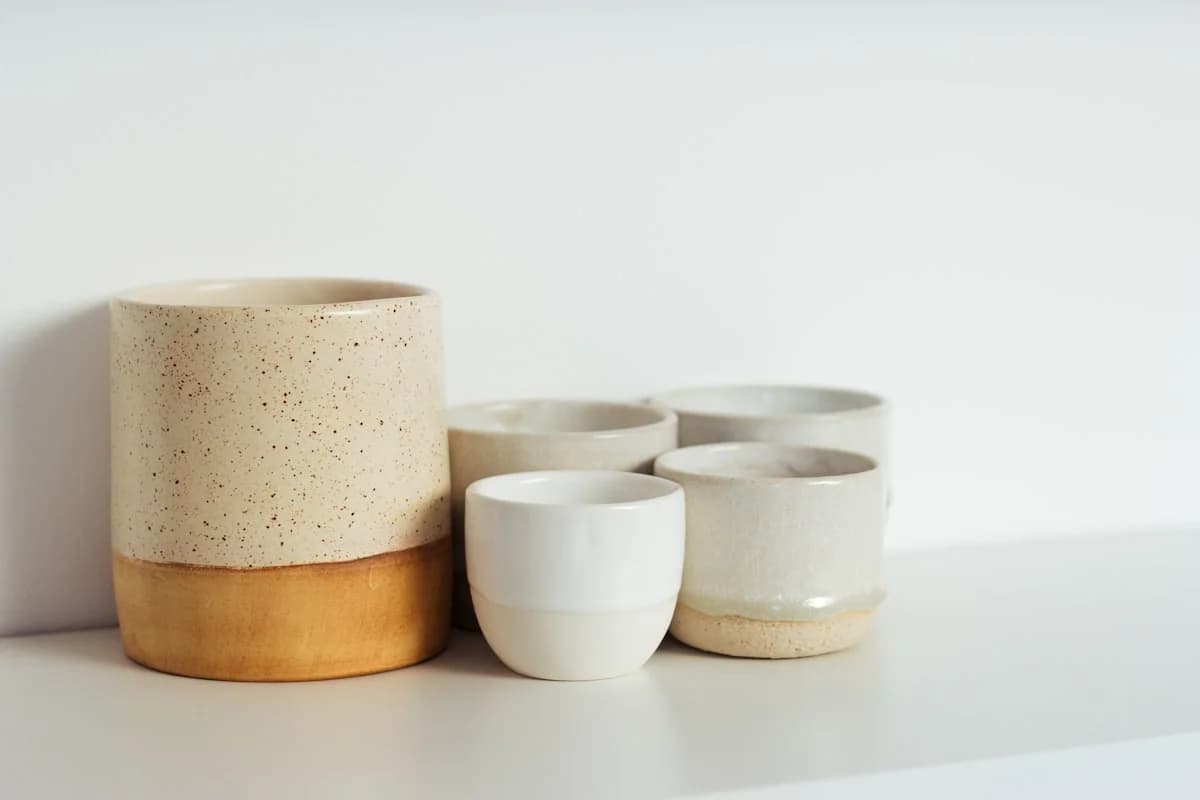
Glazing is where your pottery truly comes to life. That dull, bisque-fired piece transforms into a vibrant, functional work of art with the right glaze application. This guide covers everything beginners need to know about glazing pottery.
Understanding glazes
What is glaze?
Glaze is a glass-forming mixture that, when fired, creates a smooth, often colorful coating on ceramic pieces. It consists of three main components:
- Silica: The glass-former (creates the glassy surface)
- Flux: Lowers the melting temperature
- Alumina: Provides stability and prevents running
Types of glazes
By finish:
- Glossy: Shiny, reflective surface
- Matte: Soft, non-reflective finish
- Satin: Between glossy and matte
By temperature:
- Low-fire (Cone 06-1): Bright colors, earthenware
- Mid-fire (Cone 4-6): Versatile, stoneware
- High-fire (Cone 8-10): Durable, subtle colors
By opacity:
- Transparent: Shows clay body underneath
- Translucent: Semi-see-through
- Opaque: Solid color coverage
"Glazing is part science, part art, and part happy accidents. Keep notes on everything you do." - Master potter
Preparing for glazing
Bisque ware preparation
Before glazing, your pieces must be properly prepared:
- Ensure complete bisque firing: Pieces should "ring" when tapped
- Clean thoroughly: Remove all dust with a damp sponge
- Check for cracks: Repair or discard damaged pieces
- Let dry completely: No moisture should remain
Waxing bottoms
Prevent glaze from sticking to kiln shelves:
| Area | Treatment |
|---|---|
| Bottom foot | Apply wax resist |
| 1/4" above bottom | Wax for safety margin |
| Lid galleries | Wax contact points |
| Any touching surfaces | Wax both sides |
Glaze preparation
For commercial glazes:
- Stir thoroughly before each use
- Check consistency (like heavy cream)
- Strain if lumps are present
- Test on sample tiles first
For studio-mixed glazes:
- Follow recipes exactly
- Sieve through 80-mesh screen
- Allow to age 24 hours
- Record batch information
Application methods
Dipping
Best for: Even coverage, production work
Process:
- Hold piece with tongs or fingers
- Submerge completely in glaze
- Count to 3 (adjust based on glaze thickness)
- Remove smoothly
- Let excess drip off
- Touch up finger marks
Tips:
- Move quickly and confidently
- Maintain consistent timing
- Keep glaze well-stirred
Brushing
Best for: Detail work, small areas, decorative effects
Process:
- Load brush fully with glaze
- Apply in one direction
- Allow to dry between coats
- Apply 3 coats minimum
- Cross-hatch directions for even coverage
Tips:
- Use soft, wide brushes
- Don't overwork the surface
- Watch for drips and runs
Pouring
Best for: Interiors, large pieces, controlled drips
Process:
- Pour glaze inside piece
- Swirl to coat evenly
- Pour out excess quickly
- Rotate as it drips
- Pour exterior if desired
Tips:
- Work over a bucket
- Rotate piece as you pour
- Catch drips with your finger
Spraying
Best for: Even coverage, gradients, large pieces
Requirements:
- Spray booth with ventilation
- HVLP spray gun or airbrush
- Respirator mask
- Consistent air pressure
Tips:
- Apply multiple thin coats
- Keep gun moving
- Maintain consistent distance
Decorating techniques
Layering glazes
Create unique effects by combining glazes:
- Base + accent: Apply base coat, add accent on top
- Inside/outside: Different glazes for visual interest
- Dip + pour: Overlap for color variation
Wax resist designs
Create patterns by blocking glaze:
- Apply wax in desired pattern
- Let dry completely
- Apply glaze over wax
- Wax burns off in firing
Sgraffito through glaze
Scratch through unfired glaze to reveal clay:
- Apply glaze
- Let dry to leather-hard
- Carve design through glaze
- Clean edges carefully
Underglaze decoration
Apply color before glazing:
- Paint designs on bisque
- Fire to set (optional)
- Apply clear glaze over top
- Fire to final temperature
Glaze thickness
Getting the right thickness is crucial:
| Too thin | Correct | Too thick |
|---|---|---|
| Rough texture | Smooth finish | Runs and drips |
| Color fade | True color | Crawling |
| Poor coverage | Even coating | Cracks |
Testing thickness
- Credit card test: Scratch through glaze; should see thin line of clay
- Visual check: Even color, no pooling
- Touch test: Smooth, not gritty or globby
Common glazing problems
Crawling
Symptom: Glaze pulls away from surface, leaving bare spots
Causes:
- Dirty bisque ware
- Glaze too thick
- Dusty surface
- Oily fingerprints
Prevention:
- Clean bisque thoroughly
- Apply correct thickness
- Handle pieces carefully
Pinholing
Symptom: Small holes in glaze surface
Causes:
- Gas escaping from clay
- Firing too fast
- Glaze too thick
Prevention:
- Slower bisque firing
- Proper glaze thickness
- Soak at top temperature
Running
Symptom: Glaze drips down and pools at bottom
Causes:
- Glaze too thick
- Over-fired
- Too much flux in glaze
Prevention:
- Apply thinner coats
- Check firing schedule
- Wax bottoms properly
Crazing
Symptom: Fine cracks in glaze surface
Causes:
- Glaze/clay expansion mismatch
- Cooling too fast
- Glaze formulation issue
Prevention:
- Match glaze to clay body
- Slow cooling cycle
- Adjust glaze recipe
Kiln loading for glaze firing
Spacing requirements
- No touching: Pieces must not touch each other
- Shelf clearance: 1/2" minimum from shelves above
- Kiln walls: 1" minimum clearance
Stilt usage
For glazed bottoms:
- Use appropriate size stilts
- Position evenly for support
- Check weight capacity
Record keeping
Successful glazing requires good documentation:
For each piece, record:
- Clay body used
- Glaze(s) applied
- Application method
- Number of coats
- Firing schedule
- Results
Building your glazing skills
Glazing is a skill that improves with practice and careful observation. As you develop your techniques and build a library of successful combinations, tracking your experiments and student preferences becomes invaluable. Many studio owners use Ceramik to keep detailed notes on glaze combinations, firing results, and student projects, making it easy to replicate successes and learn from experiments.
Manage your pottery studio
Ceramik is the app for teachers and studios to organize classes, students, and creative journeys.