Teaching Pottery to Children: Practical Tips
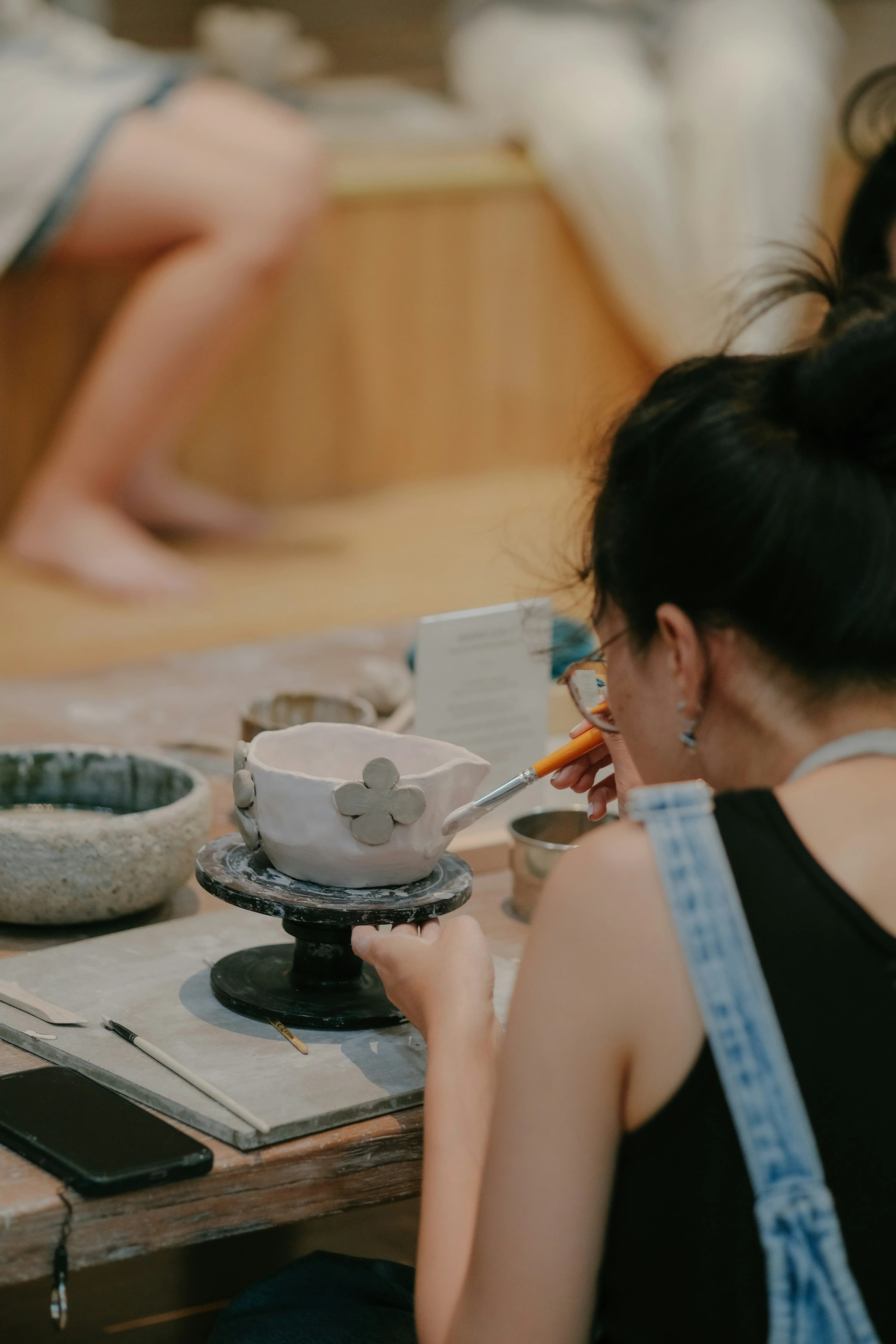
Teaching pottery to children is one of the most rewarding experiences for any ceramic instructor. The joy on a child's face when they create their first pinch pot or successfully center clay on the wheel is unforgettable. This guide covers everything you need to know to run successful children's pottery classes.
Why pottery is perfect for children
Developmental benefits
Pottery offers unique advantages for child development:
- Fine motor skills: Manipulating clay strengthens hand muscles and coordination
- Patience and focus: Waiting for clay to dry and pieces to fire teaches delayed gratification
- Problem-solving: Fixing cracks and adapting designs builds resilience
- Self-expression: Creating art boosts confidence and emotional expression
- Sensory engagement: The tactile nature of clay is calming and grounding
Screen-free creativity
In an increasingly digital world, pottery offers children:
- Hands-on, tangible experiences
- Three-dimensional thinking
- Connection to ancient human traditions
- A break from screens and devices
Age-appropriate expectations
Ages 4-6: Exploration
Focus: Sensory experience and basic shapes
Techniques:
- Simple pinch pots
- Rolling and cutting with cookie cutters
- Pressing textures into clay
- Basic coil snakes and balls
Class duration: 30-45 minutes
What to expect:
- Short attention spans
- Process over product
- Lots of mess (and that's okay!)
- Help needed with most tasks
Ages 7-9: Skill building
Focus: Basic techniques and following instructions
Techniques:
- Improved pinch pots
- Simple coil building
- Slab construction basics
- Introduction to slip and score
- Simple wheel experiences (centering with help)
Class duration: 45-60 minutes
What to expect:
- Growing independence
- Pride in finished work
- Some frustration with challenges
- Ability to follow multi-step instructions
Ages 10-12: Independence
Focus: Technique refinement and creativity
Techniques:
- Wheel throwing basics
- Complex coil and slab projects
- Surface decoration
- Glazing choices
- Understanding the firing process
Class duration: 60-90 minutes
What to expect:
- Self-directed projects
- Interest in the "why" behind techniques
- Peer collaboration
- Desire for professional-looking results
"Children don't need perfect pieces. They need the freedom to explore, make mistakes, and discover the magic of transforming earth into art." - Children's pottery instructor
Setting up for success
Classroom environment
Physical setup:
- Low tables or adjustable heights
- Easy-to-clean floor surfaces
- Accessible water and cleanup stations
- Display area for drying work
- Visual instructions on walls
Safety considerations:
- Rounded tool edges
- Non-toxic materials only
- Adult supervision ratios (1:6 max for young children)
- Clear rules about throwing clay
- Smocks or old clothes required
Materials for children
Clay selection:
- Low-fire earthenware (forgiving, fires at lower temperatures)
- Pre-wedged clay portions
- Softer clay bodies for easier manipulation
Tools:
- Plastic or wooden tools (avoid sharp metal)
- Rolling pins sized for small hands
- Cookie cutters and stamps
- Sponges and water containers
- Texture tools (forks, combs, shells)
Engaging lesson plans
Project ideas by age
Ages 4-6:
- Pinch pot animals
- Handprint dishes
- Texture tile coasters
- Simple beads
- Thumb pots
Ages 7-9:
- Coil pots and vases
- Slab-built houses
- Animal sculptures
- Functional bowls
- Name plaques
Ages 10-12:
- Wheel-thrown cups
- Lidded containers
- Sculptural figures
- Tile murals
- Functional sets (cup + saucer)
Lesson structure
A typical children's class follows this flow:
| Time | Activity |
|---|---|
| 5 min | Welcome and overview |
| 5 min | Demonstration |
| 25-40 min | Hands-on work |
| 5 min | Cleanup |
| 5 min | Show and share |
Managing common challenges
Short attention spans
Solutions:
- Break projects into stages
- Offer variety within a single class
- Keep demonstrations brief and engaging
- Use music or stories during work time
Frustration with mistakes
Approaches:
- Normalize "happy accidents"
- Demonstrate fixing techniques
- Keep extra clay available
- Focus on effort, not perfection
Varying skill levels
Strategies:
- Offer project extensions for faster workers
- Pair experienced students with beginners
- Have simplified versions ready
- Celebrate individual progress
Cleanup chaos
Systems that work:
- Assign cleanup jobs
- Make cleanup part of the fun
- Use timers for transitions
- Reward thorough cleaners
Communicating with parents
Setting expectations
Share these with parents before classes begin:
- Clothing: Send children in clothes that can get dirty
- Timeline: Explain the weeks-long process (make, dry, bisque, glaze, fire)
- Breakage: Some pieces may not survive - this is normal
- Perfection: Children's work looks like children made it - that's the goal!
Showcasing progress
Parents love seeing their children's development:
- Take progress photos
- Display work prominently
- Host end-of-session shows
- Send pieces home with care instructions
Building a children's program
Class formats
Drop-in classes:
- Good for trying pottery
- Lower commitment
- Variable skill levels each week
Multi-week sessions:
- Better skill progression
- Deeper relationships
- More complex projects possible
Summer camps:
- Intensive learning
- Themed weeks
- Full immersion experience
Birthday parties:
- Fun introduction to pottery
- Group bonding
- Take-home projects
Pricing children's classes
Consider these factors:
- Shorter class times than adult classes
- Higher material waste
- More instructor energy required
- Parent expectations for value
Tracking student progress
Managing a children's pottery program involves tracking many details: which students are in which classes, what projects they're working on, when pieces are ready for pickup, and how each child is progressing. Tools like Ceramik help teachers keep notes on each young student, organize class schedules, and track project completion, so you can focus on what matters most: nurturing their creativity and love of clay.
Manage your pottery studio
Ceramik is the app for teachers and studios to organize classes, students, and creative journeys.