How to Retain Pottery Studio Students
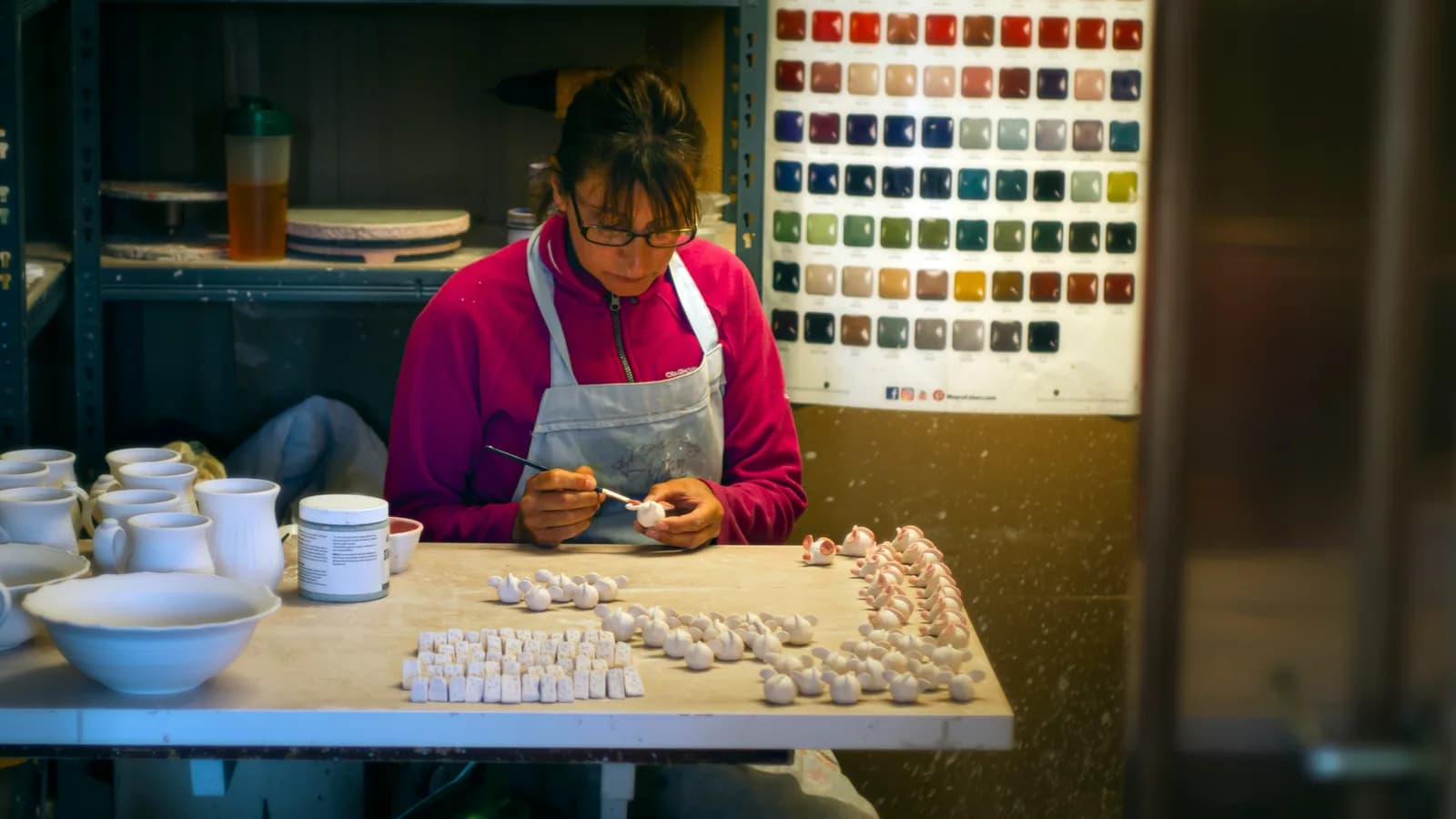
New students are exciting, but returning students are what make a pottery studio sustainable. Retention gives your studio steadier revenue, stronger community, better class energy, and more predictable planning.
Student retention is not only about being a great teacher. It is also about the systems around the class: onboarding, follow-up, progression, communication, and the way students feel seen over time.
Here are practical ways to improve retention in a pottery studio.
Understand why students leave
Students usually do not leave because of one dramatic problem. They drift away when the next step is unclear or the experience becomes hard to continue.
Common reasons include:
- They do not know which class to take next
- They miss a class and feel behind
- They are unsure how many sessions remain
- They do not feel progress
- They cannot find a convenient time
- They do not feel connected to the studio community
- They forget to rebook
- They think the studio is disorganized
Retention improves when your studio reduces these small points of friction.
Design a strong first-class experience
The first class sets the tone for everything that follows.
Create a repeatable first-class checklist:
- Welcome the student by name
- Explain the studio flow
- Show where tools, aprons, clay, and cleanup supplies are
- Set expectations for firing and glazing timelines
- Give a project that can succeed in one session
- Explain what the next class could be
- Send a follow-up after class
First-time students should leave knowing what they made, what happens next, and how to keep learning.
Build clear learning paths
Many pottery studios offer great classes but unclear progression. A beginner finishes a course and asks, "What now?"
Create simple paths like:
| Stage | Student goal | Studio offer |
|---|---|---|
| First experience | Try clay without pressure | Intro workshop |
| Beginner | Learn core techniques | 4-8 week beginner course |
| Returning student | Practice with guidance | Level 2 or guided studio |
| Independent maker | Use equipment regularly | Membership or open studio |
| Advanced student | Refine personal work | Specialty workshops |
Students are more likely to continue when the next step is obvious.
Track progress notes
Progress tracking does not need to be complicated. Short notes can make a huge difference:
- Centering is improving
- Wants to practice handles
- Interested in glazing
- Prefers evening classes
- Needs make-up for session 3
- Asked about membership
- Working toward a dinnerware set
When an instructor remembers these details, students feel recognized. When the studio forgets them, students feel like a transaction.
Use attendance as a retention signal
Attendance is one of the clearest early warnings.
Watch for:
- A student who misses two sessions
- A member who stops booking open studio time
- Someone who attended a workshop but never returns
- A student who has unused class credits
- A waitlisted student who never received follow-up
Each signal is a chance to reach out before the student disappears.
Follow up at the right moments
Retention follow-up should be helpful, not pushy.
Useful moments include:
- After a first class
- After a missed class
- When a course is almost finished
- When a student has unused credits
- When a membership is about to renew
- When a student finishes a meaningful project
Simple messages work best:
"Your beginner course finishes next week. If you want to keep building consistency, the next step is our Level 2 wheel class on Tuesdays."
The message is useful because it removes the decision friction.
Create membership value
Memberships can improve retention when they offer more than a discount. They should make students feel part of the studio.
Strong membership benefits might include:
- Open studio access
- Priority registration
- Clay or firing allowance
- Member-only workshops
- Storage space
- Progress check-ins
- Community events
The key is clarity. Students should understand exactly what they get and how to use it.
Build community rituals
People return to places where they feel connected.
Community rituals do not need to be large events. Try:
- Monthly kiln opening nights
- Student shelf tours
- Small exhibitions
- Member critique sessions
- Bring-a-friend evenings
- Glaze testing days
- Student work spotlights
These rituals turn a class into a relationship with the studio.
Make rebooking easy
If a student has to search, message, wait, and ask what to do next, many will delay until they forget.
Make rebooking easy by:
- Mentioning next-step classes before the current course ends
- Sending links to relevant options
- Holding spots for current students when possible
- Showing class levels clearly
- Offering a simple way to ask for guidance
The best time to invite a student back is while they are still engaged.
Measure retention simply
You do not need a complicated analytics system to start.
Track these numbers each month:
| Metric | What it tells you |
|---|---|
| First-class return rate | Whether your intro experience works |
| Course completion rate | Whether students stay through a program |
| Repeat enrollment rate | Whether students know the next step |
| Membership renewal rate | Whether memberships feel valuable |
| Absence follow-up rate | Whether missed classes are handled |
If one number is weak, fix the workflow around it.
Improve retention without discounting
Discounts can help in specific cases, but they rarely solve the root retention problem. Before lowering prices, improve:
- Class clarity
- Student follow-up
- Progression paths
- Instructor notes
- Schedule options
- Community moments
- Communication quality
Students stay when they feel progress, belonging, and confidence about the next step.
How Ceramik supports retention
Ceramik helps pottery studios organize students, classes, attendance, and communication so retention does not depend on memory alone. When your team can see who attended, who missed class, who is active, and who needs follow-up, it becomes easier to keep students engaged.
Retention is not one trick. It is a set of consistent habits supported by a system your team can actually use.
Frequently asked questions
What is student retention for a pottery studio?
Student retention is the percentage of students who continue after a first class, complete a course, enroll again, or remain active as members.
How can pottery studios improve retention?
Improve onboarding, make next steps clear, track attendance, follow up after absences, create learning paths, and build a stronger studio community.
Are memberships good for pottery studios?
Memberships can be very effective when they provide clear value, regular access, community, and an easy way for students to continue practicing.
Manage your pottery studio
Ceramik is the app for teachers and studios to organize classes, students, and creative journeys.